Digital Transformation Roadmap for a Manufacturing SME
A manufacturer’s digital transformation does not start with technology, but with a diagnosis. Here is a realistic roadmap method.
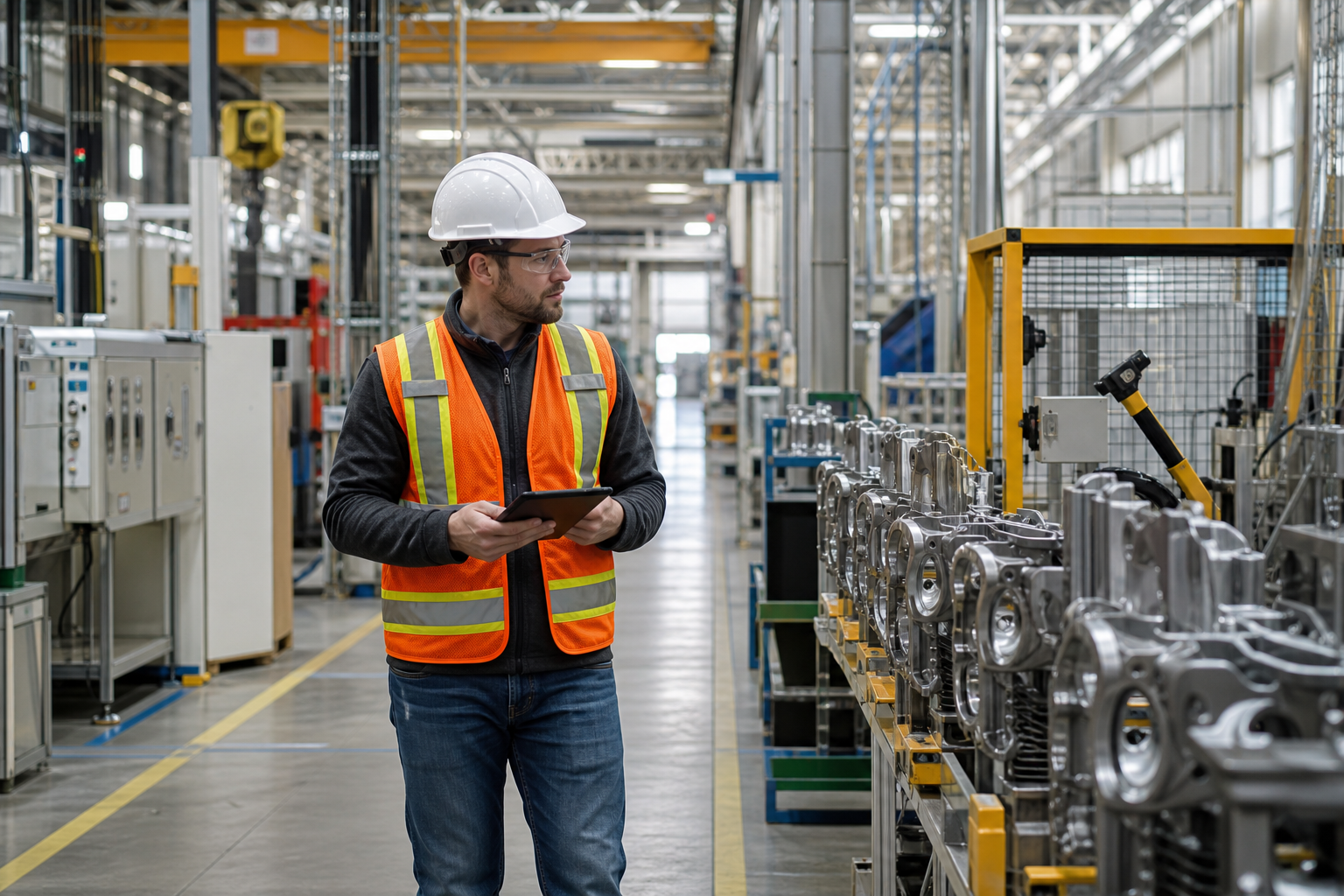
The digital transformation of a manufacturing SME starts with a maturity assessment, not with buying software. First identify your bottlenecks (re-keying, lack of visibility, machine downtime), prioritize initiatives by value and feasibility, secure a few quick wins to build buy-in, then roll out in stages. A realistic roadmap beats a big-bang project.
Key points
- Start with a digital-maturity assessment, not with a tool.
- Prioritize by business value and feasibility; aim for quick wins to bring teams on board.
- Roll out in stages (shop floor, data, integration) rather than in a "big bang".
Step 1: diagnose before investing
Many manufacturers buy an ERP or MES before understanding their real pain points. A digital-maturity assessment maps your processes, data flows and existing tools to reveal where the value hides.
The goal: move from a vague feeling ("we need to modernize") to a prioritized list of concrete initiatives, quantified in potential gains.
Step 2: identify the bottlenecks
On the ground, the obstacles often look alike from one manufacturing SME to another.
- Manual re-keying between Excel, production and accounting.
- Lack of real-time shop-floor visibility (progress, scrap, breakdowns).
- Scattered, unreliable data that prevents fast decisions.
- Reactive rather than preventive maintenance, causing costly downtime.
- Incomplete traceability, problematic for quality and compliance.
Step 3: prioritize and aim for quick wins
Not everything can happen at once. Rank initiatives on two axes: business value and ease of implementation. High-value, high-ease projects are your quick wins: they psychologically fund what comes next.
- Digitize a critical paper form (quality, inspection).
- Centralize production data in a simple dashboard.
- Automate re-keying between two systems via an integration.
- Set up maintenance alerts based on existing data.
Steps 4 and 5: roll out in stages, then sustain
Once quick wins are secured, deploy in logical stages: first reliable data collection on the shop floor, then its centralization, finally integration with management (ERP) and advanced analytics. At each stage, change management matters as much as technology: involve operators, train, adjust.
Sustainability comes from data governance and a partner able to evolve the solution. A successful digital transformation is never "done": it is maintained.
Frequently asked questions
Where do I start the digital transformation of a manufacturing SME?
With a digital-maturity assessment. It maps your processes and data to identify bottlenecks and prioritize high-value initiatives, before buying any software.
Do I need an ERP to transform?
Not necessarily at the start. An ERP helps integrate management, but many quick wins first come from digitizing forms, centralizing shop-floor data and targeted integrations. The ERP fits into a roadmap, not as a prerequisite.
How long does a digital transformation take?
It is a staged journey, not a one-off project. First quick wins appear in weeks to months; full modernization spans one to several years in controlled steps.
Is my factory too small for Industry 4.0?
No. Digital building blocks are now accessible to SMEs. The issue is not size, but choosing relevant initiatives sized to your business priorities.
How do I avoid a failed transformation project?
Avoid the "big bang" and invest in change management. Involve operators from the start, deliver visible quick wins, and progress in measurable stages rather than one giant, risky project.
Takeaway
A manufacturer’s digital transformation is run like a roadmap: diagnose, prioritize, deliver quick wins, roll out in stages. Codally runs the maturity assessment and supports implementation, at your SME’s pace.

Need support?
Codally can help you integrate these solutions into your business.